
When Love Is Tired:
Protecting Marriage While Raising a Child with Special Needs
October 5th, 2026
By Pastor Tommy Luster
MAML, Registered Mental Health Counseling Intern
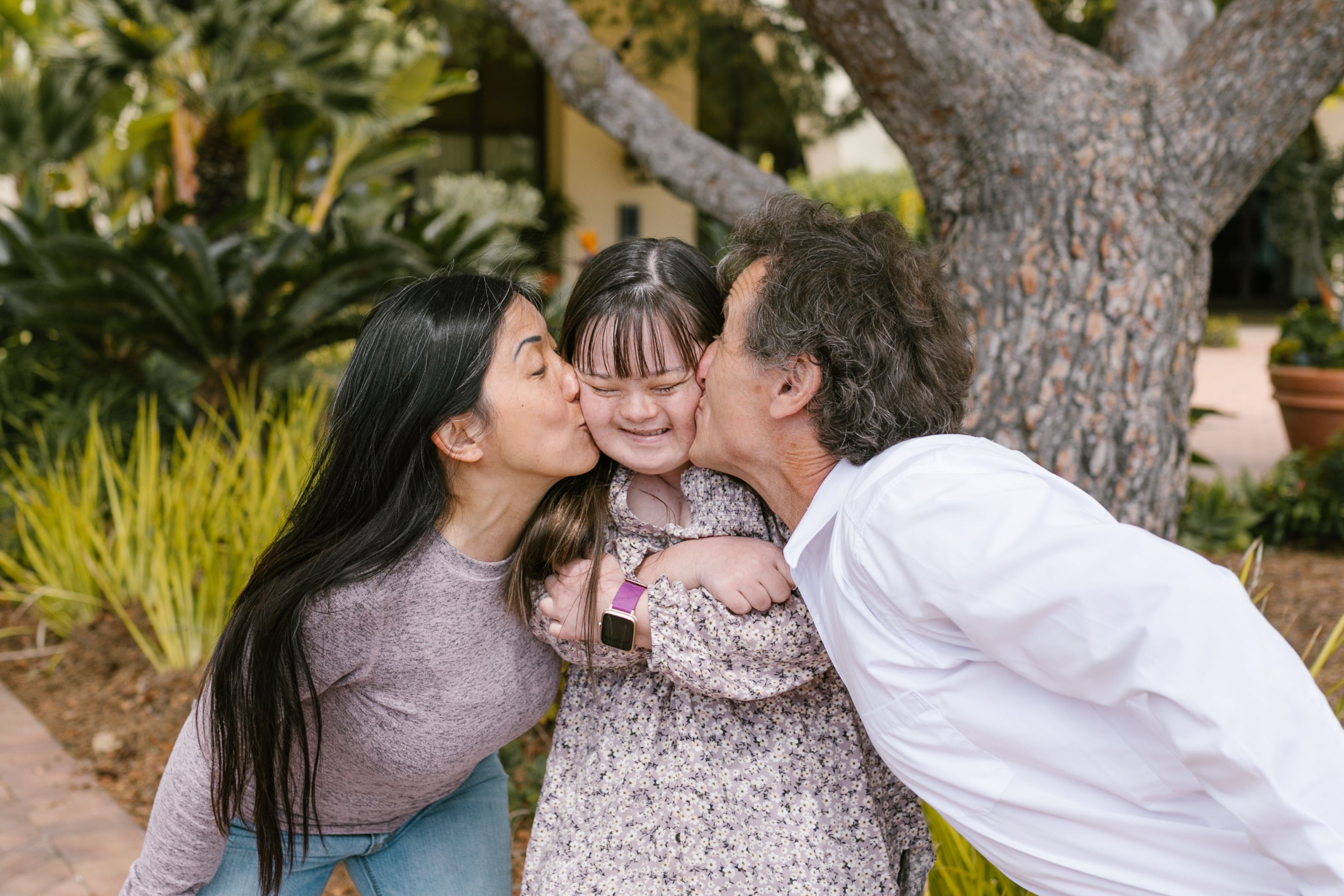
Raising a child with special needs can fill a home with remarkable love, meaning, and purpose. It can also create a level of mental, physical, relational, and spiritual overload that many couples never expected.
Between appointments, therapies, school meetings, financial pressure, disrupted sleep, advocacy, and concern for the future, husbands and wives can slowly become excellent caregiving partners while losing sight of one another as spouses.
Research does not support the often-repeated claim that every marriage raising a child with special needs is destined for divorce. The picture is more nuanced. Risk varies by diagnosis, family circumstances, and available support. Still, long-term research involving families of children with autism and other developmental disabilities found that approximately 36% experienced parental divorce by the child’s age 30, with divorce occurring during early childhood as well as adolescence and adulthood (Bahri et al., 2023).
The deeper concern may be what happens before a marriage reaches that point. A recent meta-analysis found a moderate negative relationship between parenting stress and marital quality among parents of children with disabilities (Liu et al., 2026). Among caregivers of children with autism, depressive symptoms are also common; one meta-analysis estimated a pooled prevalence of 45% (Lam et al., 2025).
Behind those numbers are real people.
Parents may love their child deeply while simultaneously grieving expectations they once held for family life. Chronic sorrow can surface around missed milestones, uncertainty about the future, or the realization that
ordinary family experiences may look different than imagined (Raap et al., 2026). Grief does not mean rejection of the child. It means parents are human.
Over time, one spouse may feel they carry more of the appointments, nighttime care, emotional labor, or advocacy. Conversations can become almost entirely about schedules and problems. Affection gets postponed. Emotional and physical intimacy may receive whatever energy remains.
Resentment can quietly grow. Both spouses may feel alone while standing in the same room. This is where couples need more than endurance. They need connection. Research on dyadic coping shows that couples who communicate their stress and respond to it together can experience stronger relationship satisfaction (Putney et al., 2021). Protecting the marriage, then, becomes part of caring for the family.
Couples can begin by:
1. Naming the pressure instead of blaming each other.
2. Creating regular time to talk as husband and wife, not only as caregivers.
3. Sharing responsibilities honestly and revisiting them when one partner becomes overloaded.
4. Accepting respite, family, church, and community support without treating help as failure.
5. Caring for mind, body, and spirit through rest, emotional regulation, prayer, meaningful connection, and professional support.
6. Seeking counseling before disconnection becomes crisis.
Research supports interventions such as CBT, mindfulness-based approaches, psychoeducation, and acceptance-based therapies for reducing distress among parents of autistic children (Mo et al., 2024). Counseling can also provide couples with a protected space to process grief, address resentment, strengthen communication, and rediscover the relationship beneath the responsibilities. Galatians 6:2 calls believers to “bear one another’s burdens” (English Standard Version Bible, 2001). Sometimes strengthening a marriage begins with admitting that the burden has become too heavy to carry alone.
If caregiving has left your marriage exhausted, disconnected, or simply surviving, Striving Higher Counseling can help you rebuild connection while caring for your marriage's emotional, physical, relational, and spiritual health.
References
Bahri, N., Sterrett, K., & Lord, C. (2023). Marital status over 28 years of parents of individuals with autism and other developmental disabilities. Journal of Family Psychology, 37(6), 920 931. https://doi.org/10.1037/fam0001093
English Standard Version Bible. (2001). Crossway.
Lam, X. R., Cheng, L. J., Leo, C. S. Y., Toh, Z. A., & He, H.-G. (2025). Global prevalence of depression in caregivers of children with autism: A systematic review and meta-analysis. Journal of Pediatric Nursing, 80,
e74–e85. https://doi.org/10.1016/j.pedn.2024.11.020
Liu, J., Guan, W., Zhang, Y., & Xie, Z. (2026). Does parenting stress affect marital quality among parents of children with disabilities? Evidence from a meta-analysis. Research in Developmental Disabilities, 175,
105329. https://doi.org/10.1016/j.ridd.2026.105329
Mo, S., Bu, F., Bao, S., & Yu, Z. (2024). Comparison of effects of interventions to promote the mental health of parents of children with autism: A systematic review and network meta-analysis. Clinical Psychology Review,
114, 102508. https://doi.org/10.1016/j.cpr.2024.102508
Putney, J. M., Greenlee, J. L., & Hartley, S. L. (2021). Use and benefit of dyadic coping for couple relationship satisfaction in parents of children with autism. Family Process, 60(4), 1331–1346. https://doi.org/10.1111/famp.12617
Raap, E., Weille, K. L., & Dedding, C. (2026). Vulnerabilities and missed chances: The dynamics in the relationship between parents of disabled children and professionals in the context of chronic sorrow. Journal of Social Work, 26(4), 663–681. https://doi.org/10.1177/14680173251369716